Milan, Italy Travel Blog
Duomo Galleria Vittorio Emanuelle II Piazza del Duomo Sforza Castle Sempione Park behind the Castle Arch of Peace Duomo at...
Read More
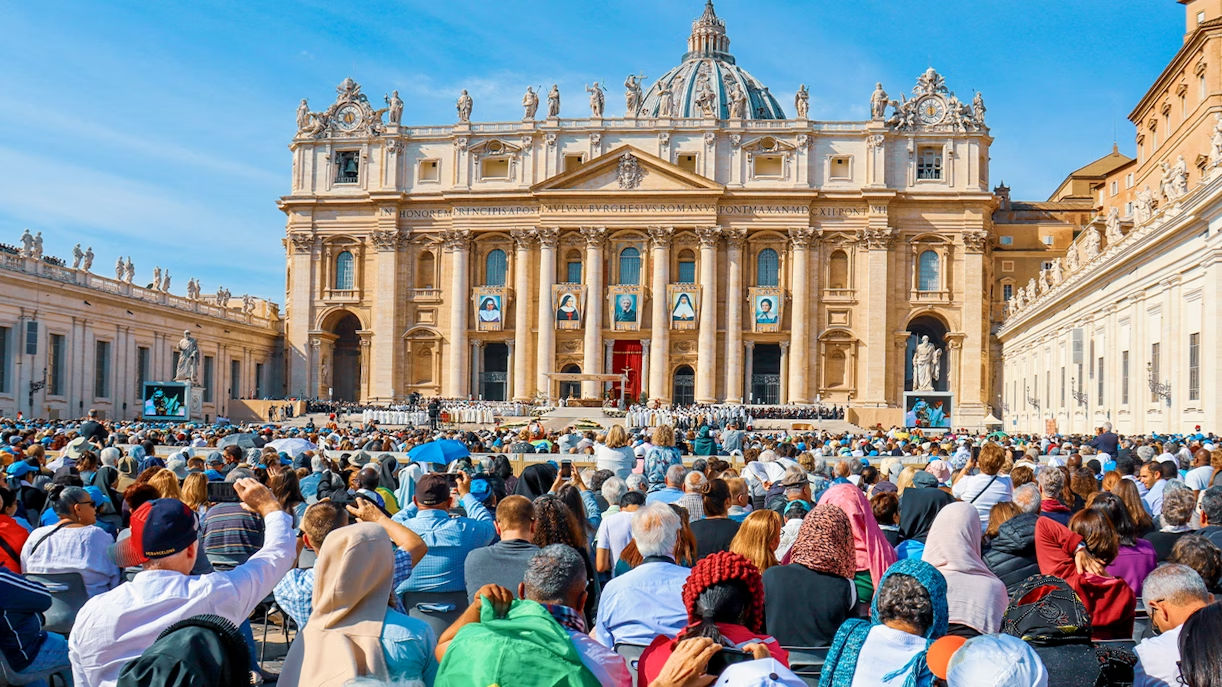
Experience Vatican City, the spiritual heart of the Catholic Church and home to some of the world’s most treasured art and architecture. This tiny independent city-state is where you’ll find St. Peter’s Basilica, the Vatican Museums, and Michelangelo’s iconic Sistine Chapel.
Quick Facts
Hello:
Ciao
Thank You:
Grazie
Excuse Me:
Scusi
Vatican City is a unique microstate located within Rome, Italy, serving as the spiritual and administrative center of the Roman Catholic Church. It houses some of the world’s most renowned cultural and religious landmarks, including St. Peter’s Basilica, the Sistine Chapel, and the Vatican Museums. Visitors from around the globe come to marvel at its magnificent art collections, participate in Papal audiences, and experience the rich history of Christianity.

Travel Guides
Duomo Galleria Vittorio Emanuelle II Piazza del Duomo Sforza Castle Sempione Park behind the Castle Arch of Peace Duomo at...
Read MorePisa Baptistery Cathedral Square Typical tourist shot Leaning Tower Pisa Santa Maria Novella Florence Cathedral Florence Cathedral Florence Cathedral Bargello...
Read MoreI was so excited to arrive in Rome! I was visiting my cousin who was studying abroad there for the...
Read MoreAre you visiting Rome and looking for a weekend trip? Are you just looking for a relaxing vacation in an...
Read MoreBest time to visit the Vatican City

Celebrations
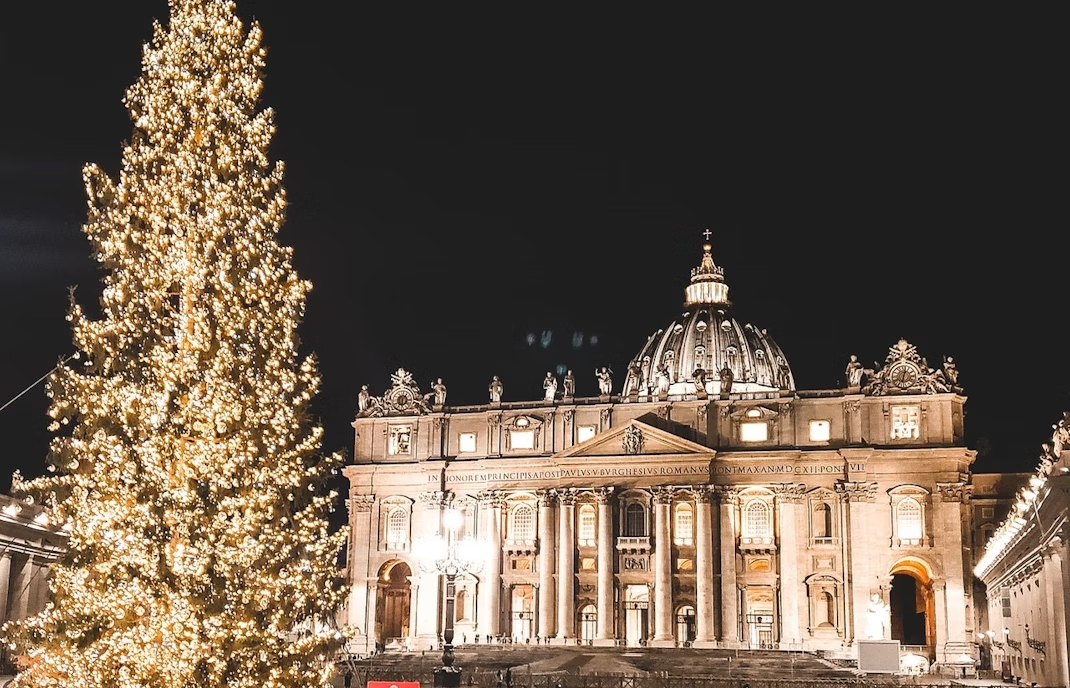
Easter (April) and Christmas (December) are major religious celebrations, drawing large crowds for Papal masses in St. Peter’s Square.
Weather
Vatican City is a year-round destination, but timing your visit can enhance your experience:


Public Holidays
Food
While Vatican City itself has limited dining options, nearby Rome offers endless culinary delights. Sample Roman classics like carbonara, cacio e pepe, and fresh gelato. Within Vatican City, there are small cafés catering to tourists.
Culture
Vatican City is the custodian of priceless artworks and religious traditions. Its museums showcase masterpieces by Michelangelo, Raphael, and other luminaries. Visitors can also attend religious ceremonies, including the weekly Papal audience.
People
As the smallest independent state in the world, Vatican City is home to approximately 800 residents, primarily clergy, members of the Swiss Guard, and other religious officials. The Pope resides here, and millions of pilgrims and tourists visit annually to experience its spiritual significance and artistic treasures.


History
Established in 1929, Vatican City is the spiritual center of the Catholic Church, housing iconic landmarks like St. Peter’s Basilica and the Sistine Chapel. Its history intertwines with that of Christianity and the Roman Empire. Today, it serves as a focal point for global Catholicism and diplomacy, welcoming visitors from all faiths.
Environment
As a city-state, Vatican City features beautifully manicured gardens, courtyards, and iconic architectural masterpieces. Efforts focus on maintaining its cultural and spiritual heritage. Sustainability initiatives include solar energy projects and green building practices within its limited urban footprint.
International Airports
Accessed via Rome’s airports: Leonardo da Vinci-Fiumicino and Ciampino.
Train Connections
Rome’s central station, Termini, is well-connected and just a short distance from Vatican City.
Visa
No separate visa is needed; a Schengen visa suffices for entry via Italy.
To/From Airports
Visitors arrive via Rome’s airports and reach Vatican City by metro, bus, or taxi. Ride-sharing apps like Uber are available in Rome.
Public Transport
The Vatican itself is walkable, but Rome’s metro and bus systems are useful for reaching nearby sites.
Rentals
Renting bikes or scooters in Rome offers a convenient way to explore Vatican-adjacent areas.

CURRENT TRAVEL ADVISORY
Please check the travel.state.gov website for the latest advisory level, as it may not be up to date.
Travel Advisory Levels
Best places to visit in Vatican City
Bucket List Experiences
via Skyscanner
via iVisa
via Booking.com
via Hostelworld
via Safety Wing
via Rentalcars.com
via 12Go
via Viator
via Amazon
via Wanderlog
Entry to St. Peter’s Basilica is free, but there are fees for the Vatican Museums and Sistine Chapel.
Yes, tap water is safe to drink, including water from public fountains.
No separate visa is required. A Schengen visa for Italy suffices.
Italian and Latin are official, but English is widely spoken in tourist areas.
Yes, it’s very safe, but be cautious of pickpockets in crowded areas.
Vatican City uses Type C and F plugs with a voltage of 230V and frequency of 50Hz.
Vatican City is a must-visit for its profound spiritual significance, unparalleled art treasures, and breathtaking architecture. Whether you’re admiring Michelangelo’s masterpieces or participating in a Papal mass, this unique city-state offers a once-in-a-lifetime experience.

Choose Another Destination
Travel Products

Drone Camera

Waterproof Action Camera

Hardshell Spinner Suitcases

Luggage Weekender Bag

Chest Daypack

Cosmetic Bag Organizer

Sterling Silver Jewelry

International Power Plug

2 in 1 Pillowcase

Extendable Portable Remote